Best Bakhoor in Dubai: Top Picks and How to Choose
Article Summary: The best bakhoor in Dubai is the one that suits your room and your burner: a darker oud dukhoon for the majlis and evenings, a sweeter amber blend for daily use and oud sticks when you want the scent without charcoal. Below are four MOJ picks, how bakhoor differs from oud and how to burn it without tripping a smoke alarm.
- Bakhoor and dukhoon name the same burnable incense. Dukhoon is the everyday Gulf word, and Dubai Culture and Arts Authority uses it for the industry in its own releases.
- Oud is a raw material, not a type of bakhoor: resin that forms in Aquilaria trees, native to South and Southeast Asia, in only about 7 to 10 percent of trees.
- Charcoal must be fully ashed over, gray with no flame, before bakhoor goes on. Under-lit charcoal is the usual cause of a harsh, acrid smell.
- Hassantuk, the Ministry of Interior's connected fire alarm system, has a Bukhoor mode that silences the system for 5 to 15 minutes, between 5am and midnight only.
- MOJ's three dukhoon blends are AED 36 each and MOJ Oud Sticks are AED 49.
| Pick | Scent profile | Best for | AED |
|---|---|---|---|
| Dukhoon Mubakhar Al Hamra | Deep woody, smoky oud, rich musk | Majlis evenings and occasions | 36 |
| Dukhoon Al Hara | Warm woody, oud accord, smoky sweet, soft amber | Daily home use | 36 |
| Dukhoon Khalifa | Rich woody, oriental, smoky oud touch, soft musk | Home and office | 36 |
| Oud Sticks | Warm oud, woody, earthy | Burning without charcoal | 49 |
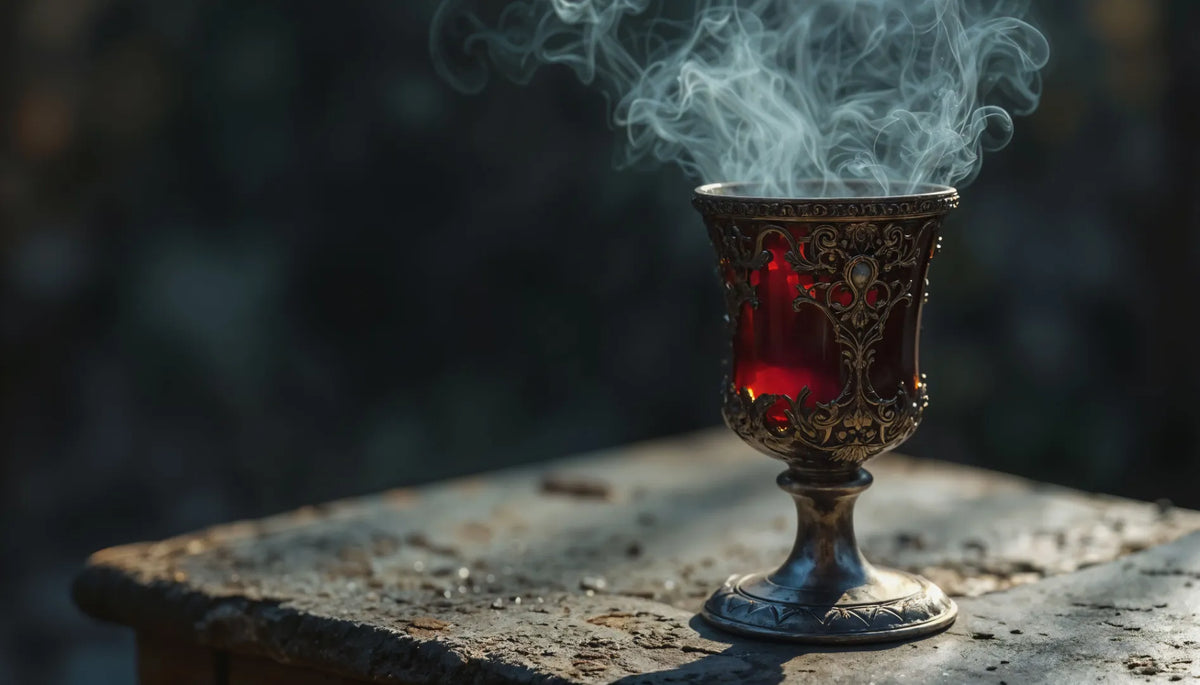
Bakhoor is the smell of a UAE home before guests arrive. The mabkhara is carried from room to room, and the smoke settles into majlis cushions, curtains and the clothes of whoever is sitting there. It comes out for Friday gatherings, Eid mornings and family visits, and in many homes it burns every day. The three dukhoon blends below sit in our bakhoor collection.
Most lists of the best bakhoor in Dubai name a dozen products and stop there. Buying well depends on three things those lists skip: knowing what bakhoor actually is, matching the blend to the room and the burner and burning it in a way that works in a UAE apartment or a villa with a connected fire alarm. This guide covers all three.
What bakhoor is, and why it is also called dukhoon
Bakhoor is incense made for burning. It starts with wood chips, traditionally agarwood, soaked in fragrance oils and blended with resins, then heated on charcoal or an electric burner until it releases scented smoke. Unlike a spray, it scents the air and every fabric the smoke touches, which is why it is used on clothes as much as on rooms.
Dukhoon is the same thing under its everyday Gulf name. UAE sources use the two words interchangeably, and Dubai Culture and Arts Authority uses dukhoon alone when it writes about the industry. Some retailers draw a hard line between them, one calling dukhoon pressed pellets and another an occasion blend, but those shop definitions contradict each other and none is a standard. On a label, read the two words as synonyms.
Two more words appear on Gulf labels. Muattar means perfumed and is usually used for wood chips soaked in oil; ma'amoul means made and is usually used for a pressed or molded paste. Treat both as trade vocabulary rather than official grades.
Bakhoor vs oud: the raw material and the blend
Oud is not a type of bakhoor. It is the resinous heartwood of Aquilaria trees, which are native to South and Southeast Asia, and the resin forms only as a response to stress such as a fungal infection or a wound, in roughly 7 to 10 percent of trees. That scarcity is a large part of why pure oud chips sit at the top of any price list. All Aquilaria species have been listed under CITES Appendix II since 2005, which means the trade is regulated with permits, not banned.
Bakhoor, by contrast, is a finished blend. It may contain oud chips or an oud accord alongside amber, musk, rose, sandalwood and resins, and it is built to smell good when heated rather than to showcase a single material. If you want oud on skin rather than in the air, our guide to the best oud perfumes in the UAE covers the wearable side.
| Oud | Bakhoor | |
|---|---|---|
| What it is | Resinous agarwood from Aquilaria trees | A blend of wood chips, oils, resins and aromatics |
| Forms | Chips, oil or a note in perfume | Oil-soaked chips or pressed paste for burning |
| Scent | One material, woody and smoky when burned | A composed accord: woody, amber, musky, floral or spiced |
| How it is used | Burned alone, or worn as oil or perfume | Burned on charcoal or an electric burner |
Popular bakhoor scents in the UAE
Most bakhoor sold in the UAE falls into five scent families, and knowing which one you like narrows the choice quickly.
- Oud and woody: dark, smoky and dry. The classic majlis smell and the most traditional choice.
- Amber and musk: warmer and rounder, softer in a closed room and easy for daily use.
- Rose and floral: rose or jasmine over wood, lighter and often chosen for welcoming guests.
- Spiced: saffron, clove or cardamom on a woody base, bold and traditional.
- Modern blends: oud with vanilla, fruit or sweet accords, closer to a contemporary perfume.
Oud is the scent most closely tied to the city, as we cover in the most popular scent in Dubai. All four MOJ picks below sit in the oud and woody family, so the differences between them come down to sweetness, musk and weight rather than a change of family.
Our top bakhoor picks in Dubai
All four are MOJ's own blends, made for the home, the majlis and the office. The three dukhoon blends share a price and an oriental woody base; what separates them is where each one leans. Use a small amount of any of them on ready charcoal or an electric burner.
1. Dukhoon Mubakhar Al Hamra
The darkest of the three. Its profile reads deep woody notes, warm smoky oud and oriental aromatics over a rich musky base, so the oud and musk lead rather than sitting in the background. Light it for gatherings and occasions, and use less of it in a small room.

2. Dukhoon Al Hara
The sweetest of the three. Warm woody notes and an oriental oud accord carry a smoky sweet touch and soft amber depth, which makes it the easiest to live with as a daily home scent. If heavy oud smoke is too much for you or your household, start here.

3. Dukhoon Khalifa
The balanced one. Rich woody notes and warm oriental accords sit over a smoky oud touch and soft musk, so the oud reads as a shade rather than the headline. It suits an office, or a home where you want the bakhoor noticed without it taking over the room.

4. Oud Sticks
Not bakhoor in the strict sense but its simplest substitute: incense sticks you light at the tip and stand in a holder, with no charcoal and no burner. The profile is warm oud, woody accords, a smoky oriental touch and an earthy depth. They are the practical option for an apartment, a desk or anyone new to burning incense. Room sprays and the rest of our burnables are in our home fragrance range.

How to choose the best bakhoor
Start with the room. A large majlis with high ceilings can take a dark oud dukhoon; a bedroom or a closed office needs a softer, sweeter blend and a smaller amount. Then think about the burner, because charcoal pushes a blend harder and adds its own faint smoky note, while an electric burner keeps the scent closer to the blend itself.
Quality shows in a few simple checks:
- It smells rich before you burn it. Good bakhoor has a clear scent straight from the box.
- The smoke is gentle. It should release scent gradually, not a harsh, acrid cloud. If it does, check the charcoal first.
- The scent develops. A good blend changes as it heats instead of smelling flat from start to finish.
- The seller tells you what it is. Look for a scent profile and clear instructions for use.
Buying in person lets you smell a blend cold before you commit, which is the most useful test there is. Online, buy from a seller that publishes a scent profile, usage instructions and a clear returns policy, and treat prices far below everyone else's with suspicion.
Charcoal or electric bakhoor burner?
Both work. Charcoal gives the more intense, traditional result; electric is cleaner, calmer and easier to live with every day. Many UAE homes keep one of each.
| Charcoal | Electric | |
|---|---|---|
| Heat | Charcoal disc, hard to control | Heated plate, controlled |
| Scent | More intense, with a slight charcoal note | Cleaner and closer to the blend |
| Smoke | Dense, best for scenting clothes | Moderate and controlled |
| Setup | Light the disc and wait until it is gray | Plug in and let the plate heat |
| Safety | Open heat, never leave it unattended | No open flame, easier around children and pets |
With charcoal, one rule matters more than any other: wait until the disc is fully ashed over, gray with no flame and no red glow at the edges, before the bakhoor goes on. Adding it early scorches the oils and produces the sharp, chemical smell people blame on the bakhoor itself. Too much bakhoor in a closed room is the other common mistake, so start with a small piece.
To scent clothes the traditional way, hold your sleeves or the garment over the mabkhara for a few moments and let the smoke drift into the fabric. Keep cloth well clear of the coals.
Bakhoor, smoke alarms and ventilation in UAE homes
Bakhoor smoke can set off a smoke detector, and in the UAE that can mean more than a beep. Hassantuk, the connected fire alarm system from the Ministry of Interior, links home detectors to Civil Defence, and a 2020 ministerial resolution made it mandatory for villas. The Hassantuk FAQs describe a Bukhoor mode for exactly this. It silences the system for 5 to 15 minutes, works only between 5am and midnight and, while it is on, the detector may still beep briefly at heavy smoke without the alert going to Civil Defence.
In an apartment with a building-wide system, check with your building management before burning near a detector, and burn in a room without one where you can. An electric burner produces noticeably less smoke than charcoal, which helps on both counts.
Ventilation matters for comfort and health too. Two peer-reviewed studies, published in 2021 and 2026, measured emissions from burning incense and found fine particles and gases, including benzene and formaldehyde, above WHO indoor guideline levels in testing, and both recommend better ventilation and shorter, less frequent burning. They tested sticks, cones and continuous burning in places of worship rather than Gulf bakhoor on charcoal, and we found no study of bakhoor itself. The practical answer is simple: open a window or a door while it burns.
Frequently Asked Questions
The best bakhoor in Dubai is the blend that suits your room and your burner. For majlis evenings and occasions a dark oud dukhoon such as MOJ Dukhoon Mubakhar Al Hamra works best, for daily home use a sweeter amber blend such as MOJ Dukhoon Al Hara and for burning without charcoal MOJ Oud Sticks.
Yes. Bakhoor and dukhoon name the same burnable incense, and dukhoon is simply the everyday Gulf word for it. Some retailers draw a line between the two, but their definitions contradict each other and none is a standard.
Oud is a raw material and bakhoor is a finished blend. Oud is the resinous heartwood of Aquilaria trees, while bakhoor is wood chips soaked in fragrance oils and resins, which may include oud alongside amber, musk, rose or spices.
Light the charcoal disc and wait until it is fully ashed over, gray with no flame and no red glow, then place a small piece of bakhoor on top. Adding bakhoor to under-lit charcoal scorches the oils and gives a harsh, chemical smell. Never leave lit charcoal unattended.
An electric burner is better for daily use and charcoal is better for intensity. Electric burners use a heated plate with no open flame and give a cleaner scent with less smoke, while charcoal gives denser smoke and a stronger, more traditional result with a slight charcoal note.
Yes, bakhoor smoke can trigger a smoke detector. Homes on Hassantuk, the Ministry of Interior's connected fire alarm system, can use its Bukhoor mode, which silences the system for 5 to 15 minutes between 5am and midnight without the alert going to Civil Defence. An electric burner also produces less smoke than charcoal.
Hold your sleeves or the garment over the mabkhara for a few moments and let the smoke drift into the fabric. Charcoal gives denser smoke and scents clothes more strongly than an electric burner. Keep fabric well clear of the coals.